The GT World Challenge Europe is one of the most prestigious endurance racing series in the world, featuring top-tier manufacturer teams with factory-backed drivers and cutting-edge machinery. Yet, what makes this championship truly unique is the presence of amateur drivers competing on the same grid as seasoned professionals. The blend of factory teams and gentlemen racers creates a dynamic and unpredictable racing environment, where skill, strategy, and sometimes sheer determination bridge the gap between the two worlds.
At first glance, the idea of amateur drivers sharing the track with factory teams seems improbable. After all, factory squads benefit from extensive resources, professional drivers with years of experience, and meticulously developed cars. However, GTWC Europe’s class structure—particularly the Pro-Am and Silver Cup categories—provides a platform for amateur competitors to not only participate but also challenge the established order. These classes balance performance through driver ratings and technical regulations, ensuring that while the pros may have the edge in raw speed, amateurs can still make an impact through consistency and racecraft.
The term "amateur" can be misleading, as many of these drivers are far from novices. Some are seasoned competitors in national or regional series, while others are wealthy enthusiasts who have dedicated years to honing their craft. What they often lack in professional racing backgrounds, they make up for in passion and seat time. Unlike factory drivers, who are groomed from karting through junior formulas, many amateurs come from business or other careers, entering motorsport later in life. Their journeys to GTWC Europe are often fueled by personal ambition and a love for racing rather than a traditional career path.
One of the key equalizers in GTWC Europe is the Balance of Performance (BoP) system, which adjusts factors like weight, engine power, and aerodynamics to level the playing field between different car models. While BoP primarily exists to balance manufacturers, it indirectly helps amateur drivers by preventing factory teams from dominating purely through technical superiority. Additionally, the driver categorization system—which classifies competitors as Platinum, Gold, Silver, or Bronze based on skill and experience—ensures that Pro-Am and Silver Cup lineups feature a mix of abilities, preventing any single team from stacking their roster with elite talent.
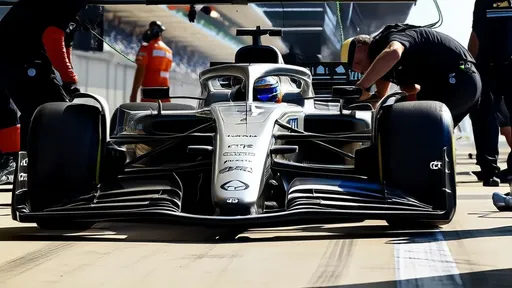
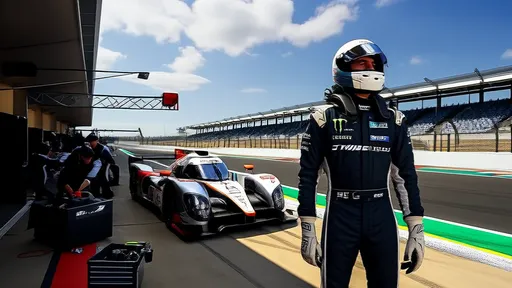
Endurance racing, with its long-format races and mandatory pit stops, also plays to the strengths of amateur drivers. Unlike sprint racing, where outright speed is paramount, endurance events reward consistency, tire management, and strategic decision-making. A well-prepared amateur can excel by avoiding mistakes, maintaining steady lap times, and letting their professional co-drivers handle the high-pressure stints. In multi-driver lineups, teamwork becomes as crucial as individual performance, allowing amateurs to contribute meaningfully even if they aren’t the fastest on track.
Another factor that enables amateurs to compete is the sheer unpredictability of endurance racing. Weather changes, safety car periods, and mechanical issues can reshuffle the field in an instant. While factory teams may have the advantage in dry conditions, a sudden downpour or a well-timed pit strategy can put an amateur-driven car in contention. The chaotic nature of long-distance races means that outright speed isn’t always the deciding factor—sometimes, survival and adaptability win the day.
Of course, the financial aspect cannot be ignored. GTWC Europe is an expensive endeavor, and while factory teams have corporate backing, many amateur drivers fund their campaigns personally or through private sponsors. This creates an interesting dynamic where wealthier amateurs can access top-tier equipment and professional teammates, effectively buying their way into competitiveness. While this may draw criticism from purists, it also democratizes the grid, allowing those with the means but not the traditional racing pedigree to test themselves against the best.
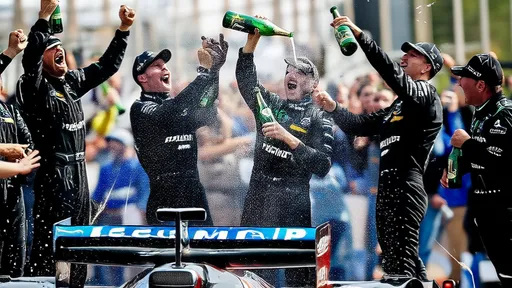
Perhaps the most compelling aspect of amateur participation in GTWC Europe is the mutual respect between the two worlds. Factory teams recognize that gentlemen drivers bring much-needed funding and diversity to the series, while amateurs appreciate the chance to learn from and compete with professionals. The camaraderie in the paddock often transcends the on-track rivalry, with drivers of all levels exchanging tips and celebrating each other’s successes. In an era where motorsport is increasingly specialized, GTWC Europe remains a rare arena where passion and professionalism coexist.
The next time you watch a GTWC Europe race, pay attention to the battles beyond the overall lead. Watch as a Bronze-rated driver defends against a Platinum factory ace, or as a Pro-Am car outlasts a pure Pro entry through clever strategy. These moments encapsulate the spirit of the series—a proving ground where dedication can sometimes outweigh pedigree, and where the line between amateur and professional blurs in the pursuit of racing glory.
By /Jun 15, 2025
By /Jun 15, 2025

By /Jun 15, 2025
By /Jun 15, 2025

By /Jun 15, 2025
By /Jun 15, 2025

By /Jun 15, 2025

By /Jun 15, 2025

By /Jun 15, 2025

By /Jun 15, 2025
By /Jun 15, 2025

By /Jun 15, 2025
By /Jun 15, 2025
By /Jun 15, 2025

By /Jun 15, 2025

By /Jun 15, 2025
By /Jun 15, 2025
