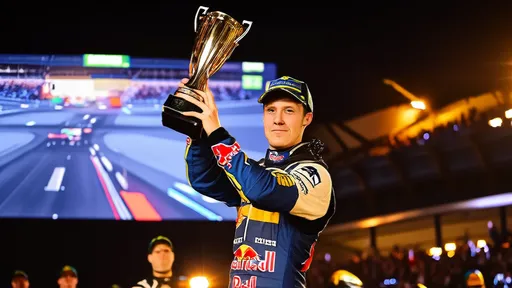
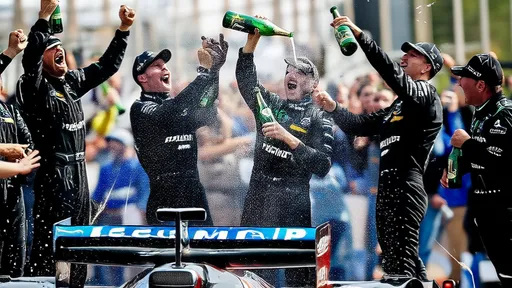
The roar of engines echoes through the grandstands as the checkered flag waves, but this isn't just another podium finish. The driver stepping out of the cockpit wears a grin that tells a story far removed from traditional racing lore. This is the face of a simulator racer who has defied expectations, transitioning from virtual asphalt to real-world glory.
For decades, the motorsport world dismissed sim racers as mere gamers – talented perhaps, but lacking the physicality and instinct required for genuine competition. That perception is crumbling faster than a Formula 3 car's suspension at Monaco. What began as a curiosity has become a legitimate pipeline, with professional teams now scouting digital circuits for the next generation of racing talent.
The turning point came when esports champions started outperforming seasoned professionals in testing environments. Teams noticed something peculiar: these digital natives adapted to real cars with alarming speed. Their lap times dropped exponentially faster than traditional rookies, their racecraft transferred seamlessly, and their tire management often surpassed veterans. The paddock whispers grew louder – perhaps simulator training wasn't just preparation, but potentially superior preparation.
Take the case of Rudy van Buren, winner of the 2012 McLaren World's Fastest Gamer competition. After claiming victory against 30,000 competitors, his transition to real-world testing shocked engineers. Within days, he matched the pace of McLaren's development drivers. "The muscle memory translated perfectly," van Buren later explained. "When you've done 10,000 virtual laps of Silverstone, your body knows what to do before your mind processes it."
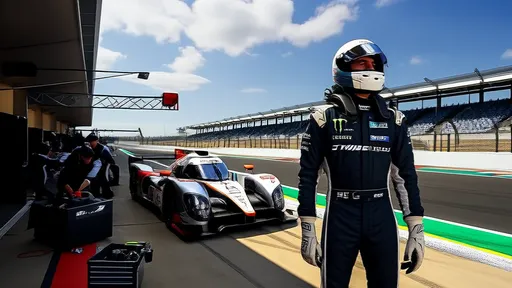
This phenomenon isn't limited to single-seaters. In GT racing, sim graduates are rewriting the rulebook. Jimmy Broadbent, a YouTube sim racing personality, recently stood on an actual podium at the 24 Hours of Le Mans Virtual, then parlayed that success into a real-world British GT campaign. His progression from streaming setups to professional endurance racing mirrors the sport's evolving landscape.
The technical crossover between virtual and real racing has never been stronger. Modern simulators replicate g-forces with hydraulic platforms, offer 1:1 steering ratios matching real cars, and even simulate tire degradation patterns observed in actual telemetry. Drivers report that the only missing sensation is the smell of burning rubber and fuel – everything else has become frighteningly accurate.
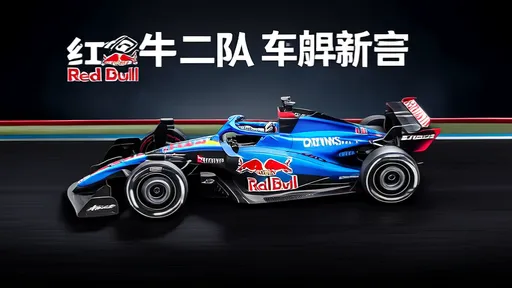
Racing academies now incorporate simulator training as a core component, not just supplementary practice. The Red Bull Junior Team, long considered the gold standard for nurturing talent, requires hopefuls to demonstrate elite sim racing credentials alongside karting results. Mercedes-AMG's esports squad serves as a direct feeder to their real-world GT program. The barriers between pixels and pavement have effectively dissolved.
Perhaps the most compelling evidence comes from the stopwatch. When Formula E conducted its inaugural rookie test featuring both sim racers and traditional prospects, the results turned heads. The virtual drivers weren't just competitive – they dominated. Their ability to adapt to the electric racers' unique characteristics, honed through countless hours in accurate simulations, gave them an immediate edge over drivers relying solely on conventional experience.
The financial implications are reshaping motorsport economics. Developing a karting champion through traditional routes can cost millions before they even reach Formula 4. Sim racing offers a meritocratic alternative where talent, not budget, determines opportunity. Teams now analyze potential signings through telemetry data from online races, identifying consistent performers regardless of their real-world racing pedigree.
This revolution hasn't been without controversy. Traditionalists argue that sim racing can't replicate the physical punishment of real cockpits, the danger element that separates drivers from gamers. Yet the new generation counters this by demonstrating exceptional fitness regimes tailored to withstand g-forces they've only previously experienced virtually. Their preparation is meticulous, their approach analytical, and their results increasingly difficult to ignore.
As the motorsport world grapples with sustainability concerns and cost reduction, the sim-to-reality pipeline offers solutions. Young drivers arrive better prepared, requiring fewer test days. Engineers can develop setups virtually before ever hitting the track. The environmental benefits are substantial, with carbon-intensive testing replaced by digital simulations that yield comparable data.
The next frontier may be complete convergence. Imagine a racing series where drivers compete simultaneously in physical and virtual formats, with results aggregated across both realms. Some prototype events have already experimented with this hybrid model, creating a motorsport ecosystem where digital and physical skills carry equal weight. For a generation raised on gaming consoles and racing rigs, this represents not just acceptance, but validation.
From the outside, it looks like an overnight success story. But those within know it's been a grueling climb for recognition. Sim racers spent years perfecting their craft while facing ridicule from the establishment. Now, as they stand on podinos once reserved for those who came up through traditional routes, their triumph represents more than individual achievement – it's the validation of an entire discipline.
The implications extend beyond racing. This phenomenon challenges our fundamental assumptions about skill acquisition and talent identification in sports. If virtual training can produce world-class drivers, what other domains might follow? Aviation? Surgery? The answers could reshape how we develop expertise across high-stakes professions.
As the sun sets on another race weekend, the mechanics pack up the cars, the fans head for the exits, and the sim-turned-real drivers sign autographs for a new generation holding racing wheels instead of steering wheels. The revolution won't be televised – it'll be livestreamed in high definition, with force feedback enabled. The future of motorsport has arrived, and it logged in through a USB port.
By /Jun 15, 2025
By /Jun 15, 2025
By /Jun 15, 2025
By /Jun 15, 2025
By /Jun 15, 2025
By /Jun 15, 2025

By /Jun 15, 2025

By /Jun 15, 2025
By /Jun 15, 2025

By /Jun 15, 2025
By /Jun 15, 2025
By /Jun 15, 2025
By /Jun 15, 2025
By /Jun 15, 2025

By /Jun 15, 2025

By /Jun 15, 2025
By /Jun 15, 2025
