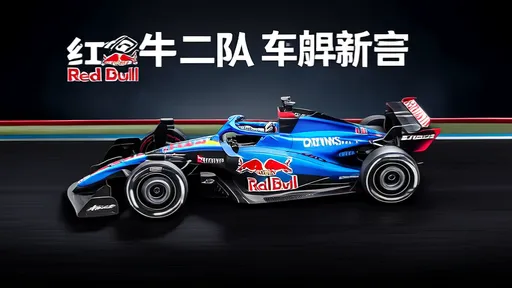
The recent rebranding of AlphaTauri back to its original Toro Rosso identity marks another fascinating chapter in Red Bull's unconventional playbook for motorsport marketing. This strategic shift provides a revealing case study in how an energy drink company has rewritten the rules of sponsorship and brand integration in elite racing.
When Dietrich Mateschitz first entered Formula 1 in 2005 by purchasing Minardi and rebranding it as Scuderia Toro Rosso ("Team Red Bull" in Italian), industry veterans dismissed it as another billionaire's vanity project. Nearly two decades later, the Austrian company's dual-team strategy has proven to be one of the most innovative marketing plays in sports history.
The Junior Team Concept
Red Bull's approach differs fundamentally from traditional sponsorships. Rather than simply slapping logos on someone else's racing operation, they created an entire ecosystem. The main Red Bull Racing team competes for championships while Toro Rosso (now temporarily renamed AlphaTauri before returning to its roots) serves as a proving ground for young drivers and marketing experiments.
This two-team structure allows for remarkable marketing flexibility. The junior team can take risks with bolder liveries, test unconventional sponsorship integrations, and serve as a talent incubator - all while maintaining the premium positioning of the flagship Red Bull Racing operation. When Sebastian Vettel graduated from Toro Rosso to win four consecutive world championships with the senior team, it validated the entire developmental model.
Branding as Content
Red Bull understands that modern sponsorship must create content rather than interrupt it. Their team liveries aren't static advertisements but evolving storytelling canvases. The shift from Toro Rosso to AlphaTauri in 2020 showcased how seamlessly they can transition branding to promote different parts of their business portfolio.
AlphaTauri served as a platform to highlight Red Bull's fashion subsidiary of the same name, demonstrating how motorsport can cross-pollinate with other brand extensions. The recent reversion to Toro Rosso maintains continuity with the team's history while allowing for fresh narrative angles about returning to roots - all of which generates media coverage beyond typical racing news cycles.
The Lifestyle Integration
Where traditional sponsors view racing as a B2B hospitality platform, Red Bull approaches F1 as cultural programming. Their teams don't just race; they produce a steady stream of behind-the-scenes content, athlete profiles, and stylized media that blurs the line between sports coverage and entertainment.
This content-first mentality transforms what would normally be sponsorship expenses into media production budgets with multiplatform distribution. A Toro Rosso garage tour video might perform as well as a Red Bull Records music release on their channels, creating marketing efficiencies other sponsors can't match.
Merchandising Alchemy
The merchandise strategy reveals another layer of sophistication. While most teams struggle to move caps and t-shirts beyond hardcore fans, Red Bull's racing gear benefits from the brand's streetwear credibility. Limited edition Toro Rosso team jackets sell out quickly not because of racing fandom, but because they're perceived as cool apparel first, motorsport gear second.
This cultural positioning allows for premium pricing and organic demand that traditional racing merchandise can't achieve. The recent Toro Rosso rebrand will undoubtedly spawn another wave of collectible teamwear that functions as much as fashion items as fan support.
The Talent Development Narrative
Red Bull's junior driver program provides perhaps the most compelling marketing storyline. By positioning Toro Rosso as a gateway to F1 stardom, they've created an aspirational narrative that transcends racing. The drama of young prospects fighting for promotion to the senior team generates storylines that mainstream sports media can't resist.
This system turns driver development into content gold - from the intense rivalries in their young driver program to the emotional moments of graduation to the main team. Each promotion or demotion between Red Bull and Toro Rosso creates weeks of discussion and analysis across sports media platforms.
Event Marketing Synergies
The racing operations feed perfectly into Red Bull's event marketing machine. Grand Prix weekends become content factories producing not just racing footage but after-hours events, music performances, and athlete appearances that blend motorsport with youth culture.
A Toro Rosso driver appearance at a Red Bull Cliff Diving event or a cross-promotion with their esports athletes creates marketing synergies that traditional sponsors simply can't replicate. The racing teams aren't standalone marketing expenses but integrated components of a much larger entertainment ecosystem.
The Digital Native Advantage
Red Bull's status as a digitally-native brand (despite its age) gives it inherent advantages in motorsport marketing. Their social media teams understand how to create platform-specific content that performs organically, whether it's TikTok challenges with mechanics or Instagram stories showing the Toro Rosso factory's design process.
This digital fluency allows them to extract maximum value from every racing moment. A mid-field finish for Toro Rosso can generate more engagement than some teams' podium results thanks to clever content packaging and distribution strategies.
The Long Game
Perhaps most impressively, Red Bull plays a generational marketing game. While most sponsors think in contract cycles, their dual-team approach builds lasting narratives. The Toro Rosso name carries nearly two decades of history now, with alumni including F1 champions and memorable racing moments that give the brand emotional resonance money can't buy.
This recent rebranding back to Toro Rosso isn't a retreat but a strategic embrace of brand equity they've carefully cultivated. In an era where sports sponsorships often feel transactional, Red Bull demonstrates how to build enduring cultural relevance through racing.
The energy drink company turned motorsport disruptor continues to rewrite the rules, showing how brands can own rather than just sponsor sports properties. As other sponsors scramble to keep up, Red Bull's beverage marketing playbook remains refreshingly hard to replicate.
By /Jun 15, 2025

By /Jun 15, 2025
By /Jun 15, 2025
By /Jun 15, 2025

By /Jun 15, 2025
By /Jun 15, 2025

By /Jun 15, 2025

By /Jun 15, 2025

By /Jun 15, 2025

By /Jun 15, 2025
By /Jun 15, 2025
By /Jun 15, 2025
By /Jun 15, 2025
By /Jun 15, 2025
By /Jun 15, 2025

By /Jun 15, 2025
By /Jun 15, 2025
